
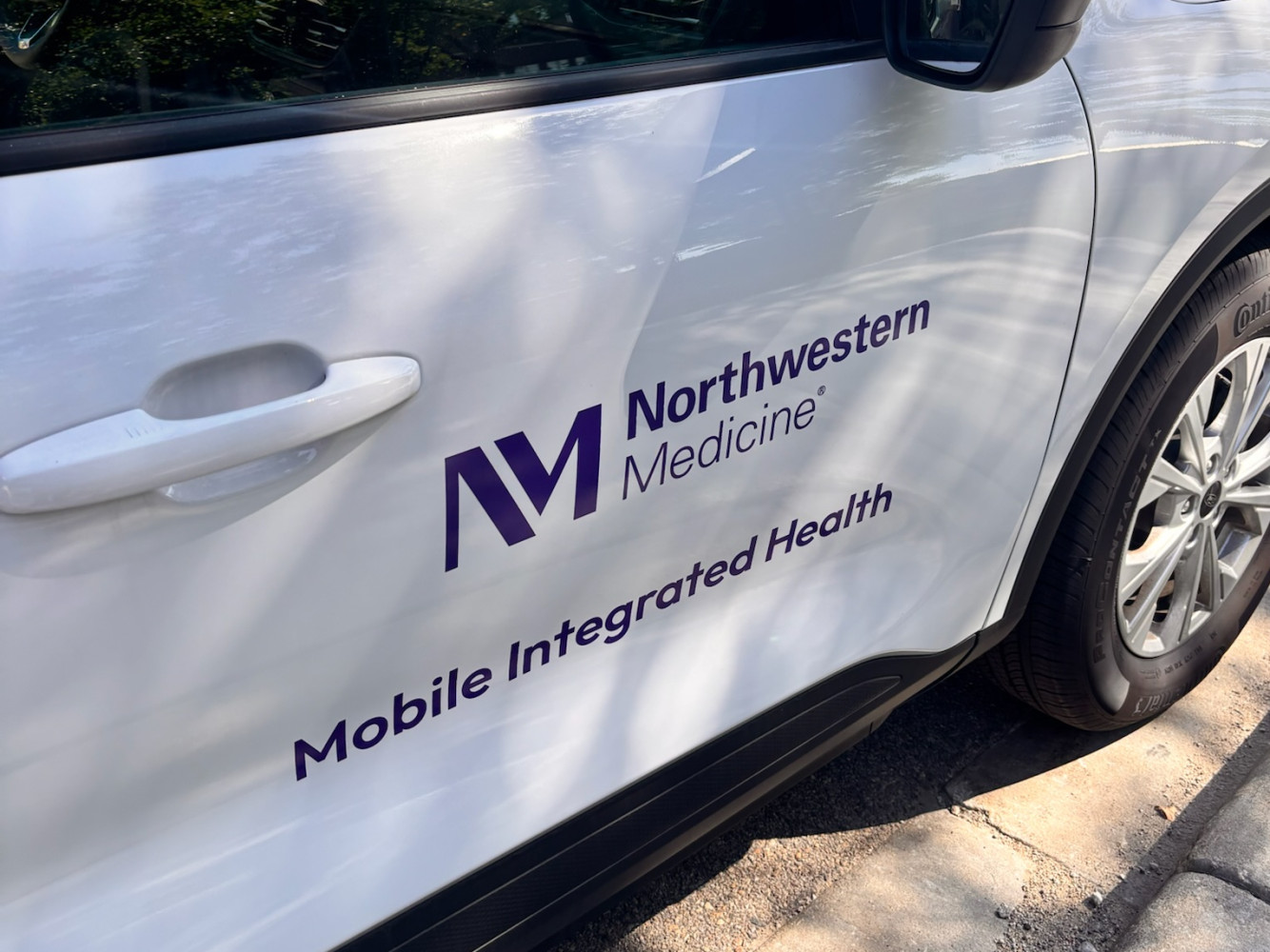
MIH Delnor 2
How the Mobile Integrated Health Program Works
Eligible patients are referred to the MIH program by their clinician. Once enrolled, a specially trained heart failure paramedic visits the patient’s home three times over a four-week period, following this schedule:
- Visit 1: 1–3 days after referral
- Visit 2: Approximately two weeks after referral
- Visit 3: Approximately four weeks after referral
The program is designed to help patients better understand their heart failure diagnosis and feel more confident managing their symptoms at home. By offering timely education, personalized support and structured follow‑up care, the program improves continuity of treatment while lowering the likelihood of hospital readmission. Patients benefit from a more seamless and supportive heart care journey, gaining the skills, knowledge and confidence needed to manage their condition independently by the end of the program.
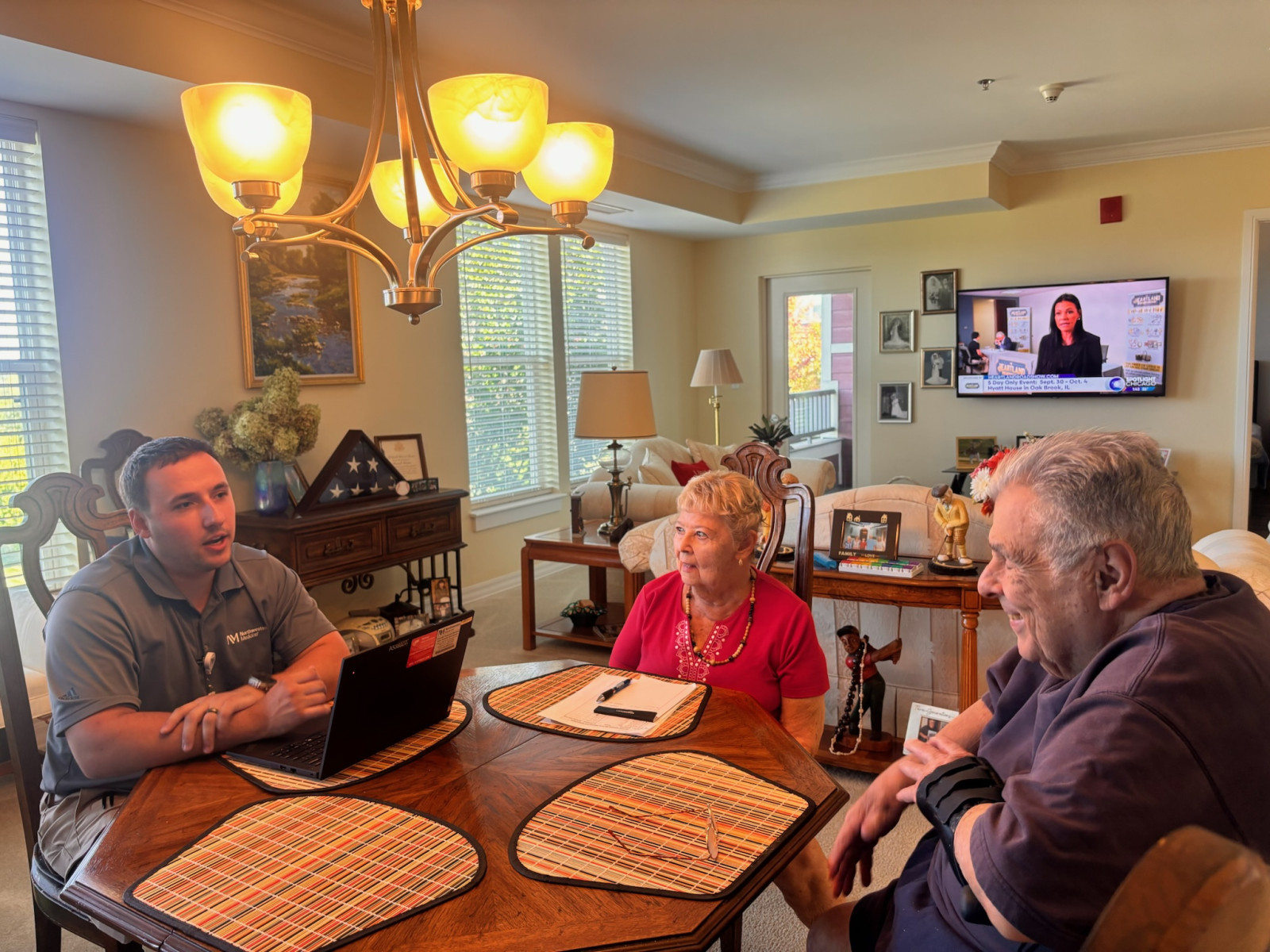
“During our home visits, we focus on listening and understanding how the patient is managing their heart failure at home. We also evaluate their current health status and determine if there is a need for any additional resources such as help with transportation to doctor’s appointments,” said Ken Snow, paramedic with the MIH program and Continuing Education Specialist for Southern Fox Valley EMS System. “The goal is to ensure the patient has the necessary education to understand their disease and their doctor’s care plan, as well as having the support they need so that they can have the confidence and the ability to improve their quality of life. Being able to help patients reach those goals is what makes this program so meaningful.”
During each visit, the paramedic provides personalized, hands‑on care tailored to the patient’s needs. This includes checking vital signs such as blood pressure and weight, reviewing medications and helping patients understand how to take them correctly, and providing individualized education to support heart failure self‑management. The paramedic also communicates regularly with the broader care team to share updates so they can adjust treatments as needed. Remote monitoring technology allows clinicians to track symptoms and deliver timely interventions between appointments.
For Geneva resident Paul LoCicero, the MIH program and remote cardiac monitoring have changed his life for the better. Before enrolling, the 82-year-old struggled with recurring hospitalizations and inconsistent management of his heart disease.
“Two years ago, I accepted that I was going to die – I even received last rites. But the team at Delnor had other plans for me,” said LoCicero, who was the first patient enrolled in the MIH program. “Before, I would struggle to breathe, then call the paramedics. I would stay in the hospital while they reduced the fluid around my heart. I would be fine and go home, but then the same thing would happen.”
LoCicero was in and out of the hospital every few weeks for blood draws and medication adjustments. Now, the heart failure team monitors changes remotely and updates his treatment plan without him needing to leave home.
“Now, they check in on me, help me adjust my medications, and keep an eye on things before they get out of control,” said LoCicero. “Instead of focusing on winning the battle, they’re focused on winning the war. It truly feels like having a guardian angel looking out for me, and it’s given me a whole new life.”
link